The bustling corridors of Delhi’s metro stations are often seen as safe havens in a fast-paced city — places where commuters from all walks of life converge, head to work, meet friends, or return home after a long day. But even in this everyday rhythm, a disturbing incident shook the sense of security at one of the city’s busy transit hubs. On Republic Day week, the Shastri Nagar Metro Station became the scene of a violent stabbing, allegedly carried out by a group of minors — raising urgent questions about youth crime, safety in public spaces, and community responsibility in India’s capital.
In this blog, we’ll unpack what happened, explore the broader implications, and look at why this incident matters to Delhi’s residents and urban safety policy.
A Brutal Attack at Shastri Nagar Metro Station
On January 26, 2026, what was supposed to be a normal morning turned into a nightmare for one commuter at the Shastri Nagar Metro Station — a busy elevated station on the Red Line of the Delhi Metro. According to police reports, five minors were apprehended for allegedly stabbing a 27-year-old man named Anil Sharma inside the metro station premises.

What makes this incident particularly shocking is not just the violence, but the location — before the security checks, in an area meant to be secure and covered by surveillance. CCTV footage reviewed by investigators reportedly shows two of the teens approaching Sharma with knives and attacking him multiple times before fleeing down the station steps.
According to senior police officials, the primary accused — a 16-year-old boy — claimed that the reason behind the attack was a personal grudge: he alleged that Sharma had been posting photos of his sister online and wanted to “teach him a lesson.”
This one sentence — “to teach him a lesson” — strips away any simplistic explanation and points to deeper issues at play, from social media disputes to impulse control and youth aggression.
The Aftermath: Medical Response and Police Action
Immediately after the stabbing, metro security staff and commuters rushed to Sharma’s aid. He was first taken to Deep Chand Bandhu Hospital and later referred to Dr. Ram Manohar Lohia (RML) Hospital for further care. The police registered a case under sections relating to attempted murder and assault.
Delhi Metro security protocols were put under scrutiny, especially as the attack happened in an unpaid area — the section commuter pass through before security checks. How did the teens enter carrying sharp weapons? How did a violent confrontation unfold so close to public view? These are questions that authorities and commuters alike want answers to.
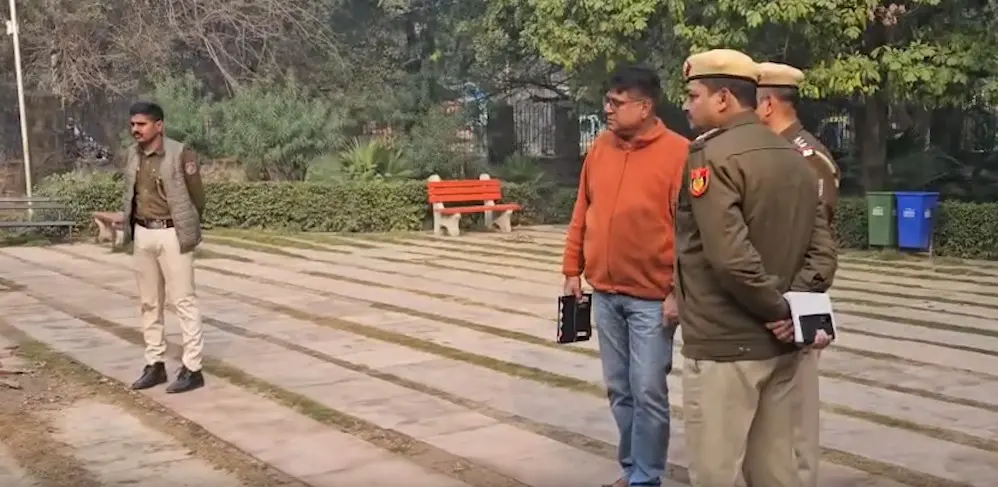
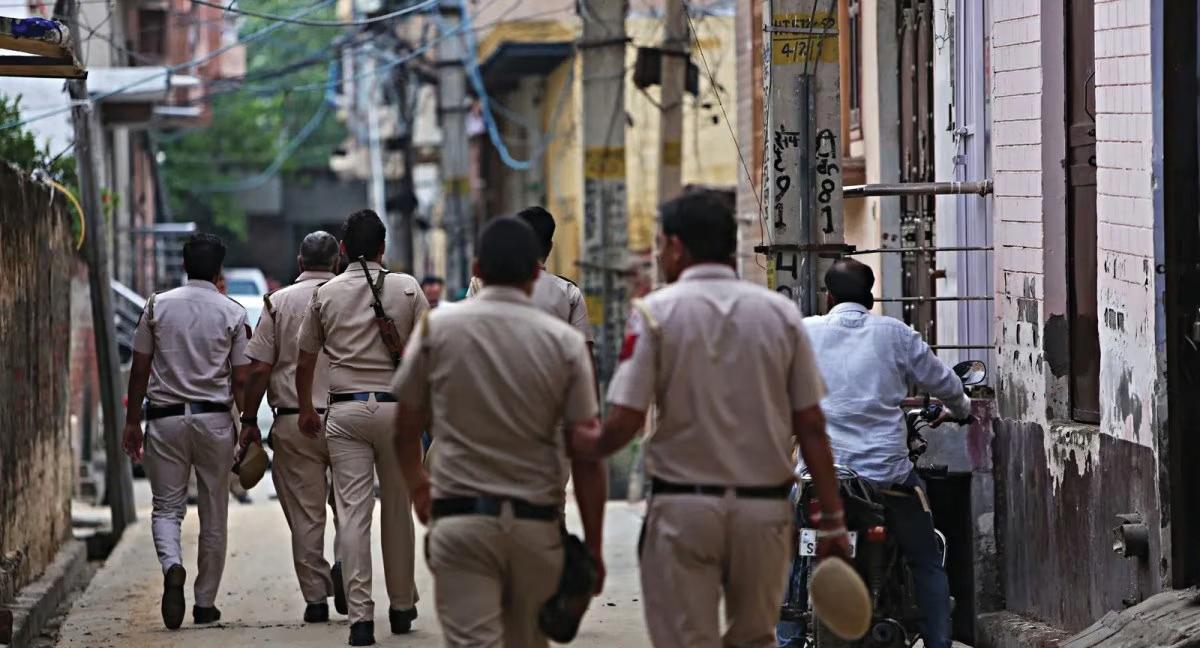
Police didn’t take long to act. Using CCTV footage, technical surveillance, and community intelligence (including tips via the e-Sakshya app), officers tracked down and arrested all five teens between Tuesday and Wednesday after the attack report. The accused are said to be between 16 and 17 years old, and their arrests reportedly happened after raids in local areas, notably in Shastri Nagar’s Hanuman Gali.
Where the Incident Fits Into a Wider Pattern
While this particular stabbing in the Shastri Nagar station took national headlines, it isn’t an isolated case. Across Delhi-NCR, several stabbing incidents involving youth have been reported within recent months — underlining a troubling trend in violent encounters that involve knives and personal disputes among young individuals.
For example, in other parts of the city during the same period:
-
A 21-year-old man was reportedly stabbed to death after a minor argument in Vasant Kunj.
-
A 25-year-old man was killed in Mangolpuri after a late-night altercation.
These incidents suggest that sharp-weapon crimes are not limited to one neighbourhood or one kind of dispute — they reflect a broader challenge facing law enforcement and community safety in Delhi.
What this Means for Commuters and City Life
Delhi’s metro network is one of the largest and busiest in India, carrying millions of passengers daily. Most trips are uneventful, but violent episodes like the Shastri Nagar stabbing can erode public confidence and raise real concerns about commuter safety.
Public Safety Perception
For regular passengers, especially those who travel early in the morning or late at night, such incidents highlight vulnerabilities in what is often assumed to be a secure environment. Even though metro police and security staff are present, the fact that a violent confrontation occurred before security checks suggests gaps that need addressing — from surveillance coverage to patrolling in areas outside fare gates.
The Youth Crime Angle
The involvement of minors — children under 18 — brings into focus broader societal challenges:
-
Juvenile delinquency: What drives young people toward violent behaviour? The alleged motive here was social media activity. That speaks to the volatile mix of adolescent emotions, online influence, and real-world consequences.
-
Community and parental responsibility: How are teens being guided in communities? What support systems exist for conflict resolution and emotional education?
-
Rehabilitation: How does the justice system balance accountability with the need for juvenile rehabilitation, especially in cases involving weapons and serious injury?
These questions are vital not only for policymakers but also for families, educators, and youth organisations working on crime prevention.
Moving Forward: Lessons and Reforms
Following incidents like the one at Shastri Nagar Metro Station, authorities typically look at both immediate and long-term reforms.
Strengthening Security
Delhi Metro Rail Corporation (DMRC) may need to:
-
Review CCTV coverage at all entry and exit points.
-
Increase the presence of trained security personnel in unpaid areas where passengers gather before security screening.
-
Improve rapid response protocols when a violent incident unfolds.
Engaging Communities
Community policing efforts — where local residents, businesses, and police collaborate — can help identify tensions before they erupt into violence. Encouraging the use of apps like e-Sakshya can also help bridge the gap between public vigilance and police action.
Youth Intervention
Stakeholders — including schools, community centres, and social workers — can help:
-
Educate young people on conflict resolution.
-
Provide safe spaces where teens can express frustrations and seek guidance.
-
Offer mentorship programmes that channel youthful energy into positive outcomes.
A Call for Awareness and Change
The Shastri Nagar Metro Station stabbing was a shocking event that shook commuters and highlighted the complexity of public safety in urban India. But beyond the headline, it is a reminder of the challenges that cities face — where infrastructure, community safety, youth behaviour, and social media intersect.
For Delhi residents, this incident should be a prompt to engage in conversations about safety — not just in metro stations, but in schools, neighbourhoods, and online communities. For authorities, it’s an opportunity to strengthen systems that protect citizens, especially the vulnerable ones.
Violence in public spaces affects us all — and preventing it requires collective awareness, proactive policing, and community engagement. If we take these steps together, perhaps a metro ride can feel a little safer for everyone.