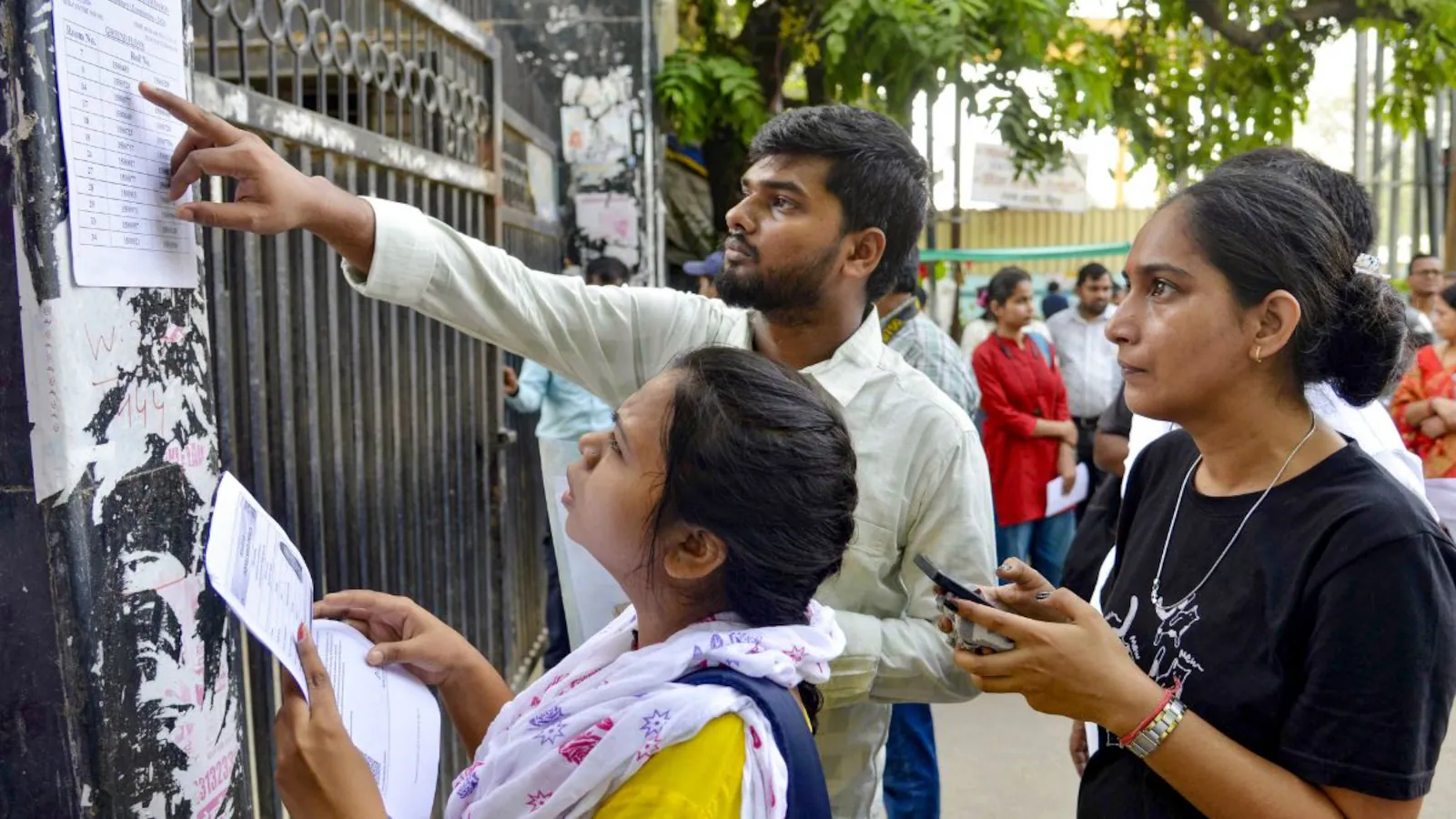
For many Ethiopian students, studying abroad isn’t just an academic choice — it’s a deeply personal aspiration, a family dream, and in many cases, a gateway to a future that feels just out of reach at home. Universities in North America, Europe, Asia, and Africa have always attracted ambitious young minds from Ethiopia. But as we step into 2026, the story of Ethiopian study abroad is changing — not dramatically overnight, but gradually in ways that matter.
This blog peels back the numbers to look at the people behind them: the students balancing hope with real challenges, shifting global trends, and the strategies that are emerging for those pursuing international education.
Why So Many Ethiopian Students Look Abroad
At its core, the desire to study abroad stems from a combination of opportunity gaps and ambition.
- Broader Academic Choices
Although Ethiopia has expanded its higher education system significantly, with more than 45 public universities today, certain specialisations — especially those in cutting-edge technology, specialised sciences, and interdisciplinary programmes — are still limited or underdeveloped.
Many students aspire to fields like artificial intelligence, biomedicine, aerospace, and international law — areas where global institutions often have more robust curricula, better research funding, and stronger industry linkages.
- Global Exposure
Studying abroad offers exposure to different learning cultures and research environments. For Ethiopian students who want detailed lab work, internships in cutting-edge firms, or exposure to global issues first-hand, foreign universities often hold a stronger appeal.
- Career Potential
International degrees are often perceived — rightly or wrongly — as having better currency in the global job market. Some students hope overseas education will open doors in multinational companies or empower them to launch ventures with global reach.
These drivers are not unique to Ethiopia — but they are intensified by domestic gaps in research output, limited industry–university collaboration, and uneven postgraduate pathways.
Where Ethiopian Students Typically Go
Traditionally, Ethiopian students have chosen destinations largely based on scholarship opportunities, language of instruction, and accessibility. In recent years, patterns have included:
🇺🇸 United States
The US has historically been a top choice for Ethiopians seeking graduate degrees. The appeal is wide: robust research facilities, a diversity of programmes, and opportunities for work experience through OPT (Optional Practical Training). However, stricter visa policies in recent years have led some applicants to reconsider.
🇩🇪 Germany
Germany’s strong technical universities and relatively low tuition fees (often zero or minimal tuition for public universities) have made it attractive, especially for engineering and sciences.
🇨🇦 Canada
Canada is increasingly popular due to its welcoming immigration policies, relatively straightforward work permits for international students, and strong employability outcomes.
🇹🇷 Turkey
Turkey has become a regional hub due to scholarships (such as the Türkiye Scholarships), cultural accessibility, and ties with Ethiopian institutions.
🇮🇳 India & 🇰🇪 Kenya
For medical and engineering programmes, many students also choose institutions in India and Kenya due to geographic proximity, affordability, and existing academic collaborations.
These patterns shift over time, influenced by visa policies, scholarship availability, and global economic conditions.
Challenges Ethiopian Students Face on the Path Abroad

Dreams of overseas education are common — but the road is tough.
- Financial Barriers
Tuition and living costs remain the biggest obstacle. Even with scholarships, students often require funds for travel, insurance, accommodation, and day-to-day expenses. Many families save for years, and some take loans or rely on community support.
- Limited Scholarship Awareness
Information about scholarships can be fragmented. While opportunities exist — from government scholarships to university-level funding — many students struggle to access them because of limited guidance or mentorship in navigating application systems.
- Visa Uncertainty
Visa interviews, documentation requirements, and migration policy fluctuations create enormous anxiety. Delays or rejections can derail plans that students have spent years preparing for.
- Academic Preparedness
While many Ethiopian students are academically capable, test preparation (for GRE, GMAT, TOEFL, IELTS) often depends on private coaching, which may not be affordable or accessible for everyone. This gap can affect admission competitiveness.
- Cultural and Social Transition
Even when admitted and funded, settling into a foreign culture — new languages, social norms, and academic expectations — can be overwhelming. Support systems vary widely across institutions, and students often rely on diaspora communities or student networks.
These challenges are not unique to Ethiopian students, but the cumulative effect — financial stress emotional transition, and administrative hurdles — makes the journey especially relentless.
Shifting Trends: Hybrid Pathways and Regional Alternatives
In the last few years, two important shifts have emerged:
- Split-Degree Models
Instead of going abroad for an entire degree, many Ethiopian students now consider hybrid pathways:
- Complete the undergraduate degree locally
- Apply for postgraduate study abroad
This reduces cost and leverages the strong foundational training available in Ethiopian universities, while still tapping into global research and higher studies.
- Regional Hubs
Countries in Africa are increasingly positioning themselves as alternatives to Western education hubs. Universities in Kenya, South Africa, Rwanda, and Egypt are gaining recognition for quality programmes, lower living costs, and cultural familiarity. For students unable to go far abroad due to finances or responsibilities, regional options offer viable pathways.
These trends reflect a broader global rebalancing of international education flows — not less ambition, but more strategic planning.
How Families and Communities Support Study Abroad Plans
Behind every student who makes it abroad is often a family network, community group, or mentor collective that contributes — financially, emotionally, or strategically.
In Ethiopia, this support takes many forms:
- Family saving schemes: long-term planning and sacrifices
- Community pooling: shared funds for exam fees or travel costs
- Peer networks: seniors guiding juniors through application processes
- Church or mosque sponsorships: sometimes assisting students financially or through connections
This social dimension adds an emotional layer often missing from purely academic discussions: studying abroad isn’t just an individual journey, it is often a family and community ambition passed across generations.
How Universities and Governments Are Responding

Recognising the importance of international mobility, both Ethiopian universities and government policymakers have begun to invest in systems that support study abroad goals:
- Career and Counseling Offices
Some universities now have dedicated counselors who guide students through test preparation, application planning, and scholarship searches.
- Memorandums of Understanding (MoUs)
Ethiopian institutions are signing partnerships with overseas universities to facilitate student exchanges, collaborative research, and credit recognition — all of which make the transition smoother and more cost-effective.
- Incremental Scholarship Support
While national scholarships are limited compared to wealthier countries, there are targeted funds for high-performing students that can augment foreign scholarships.
These efforts are early but promising signs — showing a move away from ad-hoc planning toward systematic support structures.
When Students Graduate Abroad — What Happens Next?
One of the most important decisions Ethiopian students face is whether to return home after graduation or stay abroad for work.
The Pull Back Home
Returnees often bring:
- advanced skills
- global networks
- broader perspectives
- capability to drive innovation in health, tech, and policy sectors
Their presence enhances local universities, startups, and industries.
The Pull Forward Abroad
Some choose to stay abroad because:
- job opportunities are stronger
- pay scales are higher
- quality of life appears more stable or secure
This brain drain is a reality for many developing nations and presents both a challenge and an opportunity — the challenge of retaining talent, and an opportunity if some stay connected through remittances, collaborations, and return partnerships.
A Personal Reality — Student Stories (Summarised)
While this blog is not a collection of named individual stories, common themes from countless student journeys emerge:
- A young woman who studied pharmacy abroad using a mix of scholarship and community support
- A computer science graduate who chose Canada after years of saving and preparatory coaching
- A business student who went to Kenya for a master’s instead of the United States because it was more affordable
- A researcher who began work in Germany and plans to collaborate with Ethiopian universities
These aren’t sensational stories — they are everyday journeys made extraordinary because each involves persistence, sacrifice, and hope.
Looking Ahead — What Ethiopian Students Should Know in 2026
Here are practical thoughts for students considering study abroad:
- Start early. Preparation and tests begin long before applications.
- Plan finances comprehensively. Scholarships rarely cover everything.
- Build a support network. Don’t make this journey alone.
- Explore regional options too. They can be equally rewarding.
- Think long term. Studying abroad is not the end — it’s a phase of growth.
Conclusion — The Study Abroad Dream Is Alive, Changing, and Real
Ethiopian students have ambition — and ambition is not a statistic. It’s a pulse. It’s a family conversation about possibility. It’s the quiet persistence of preparing tests at night. It’s the moment of acceptance emails and the miles of paperwork that follow.
The landscape is shifting. Visa policies, scholarship funds, and destination preferences may change — but the core story remains the same: Ethiopian students want not just degrees, but opportunity, mobility, and purpose.