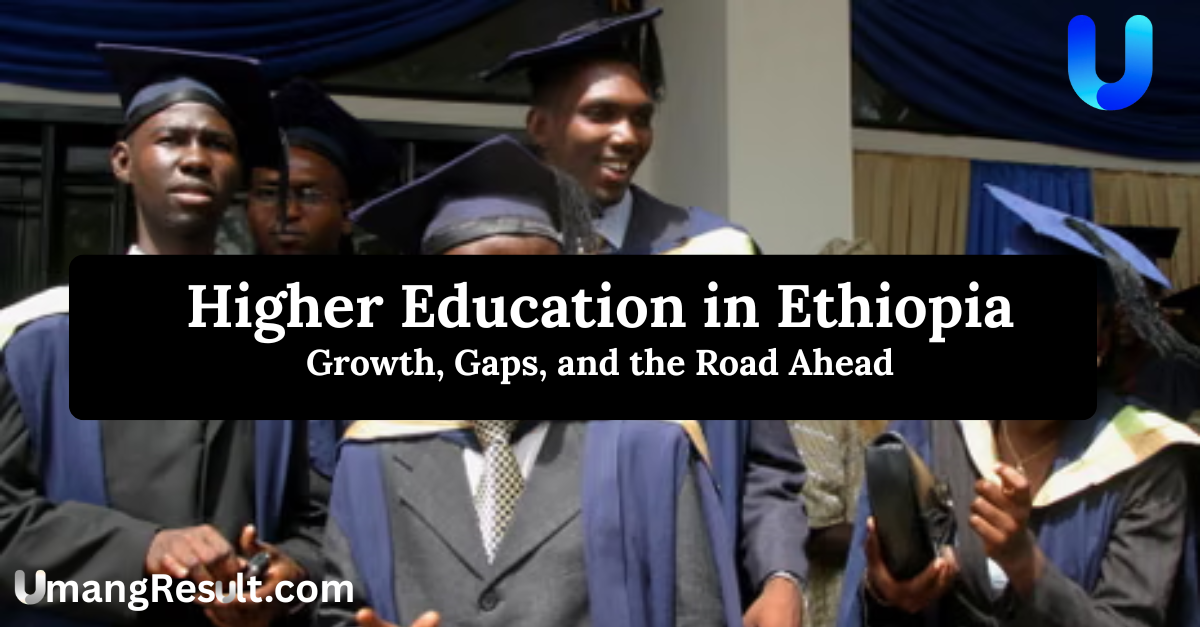
Ethiopia’s higher education story is not a simple one. Over the last two decades, you’ve seen universities grow faster than ever before — dozens of them — and access to degrees expanding into towns and regions that once had no higher learning at all. That expansion is remarkable in its scale, but beneath the surface of growth lies a tension: Can quantity coexist with quality? And if so, how can Ethiopia ensure that its universities produce not just graduates, but thinkers, innovators, and skilled professionals?
This blog explores how higher education in Ethiopia has evolved, what it has achieved, where it struggles, and what the future might hold. Buckle in — because this is about real learners, real institutions, and a country balancing enormous potential with persistent challenges.
From Almost None to Many: The Expansion Story
Twenty or thirty years ago, Ethiopia had only a handful of universities. Most students who wanted higher education had to go to Addis Ababa University — the oldest and most established institution in the country. Fast forward to 2026, and the landscape looks very different: there are more than 45 public universities and a growing number of private colleges and institutes.
These universities are spread across the country, from major cities like Addis Ababa, Dire Dawa, and Mekelle, to regional academic hubs like Bahir Dar, Jimma, and Hawassa. In practical terms, this means young people in many parts of Ethiopia no longer have to travel hundreds of kilometers to find a degree programme — a huge step forward when you consider geographical and financial barriers.
Growth was driven by a clear goal: give more students a chance to earn a higher education, particularly in fields that could help build the economy — business, agriculture, engineering, health sciences, and education, among others.
Public vs Private Universities — A Tale of Two Systems
Ethiopia’s higher education system has two broad branches: public universities and private institutions.
Public Universities
These are state-funded, often large, and usually located in regional capitals or major cities. They are responsible for educating the majority of Ethiopian university students. Examples include:
- Addis Ababa University (AAU) — the flagship institution with a long legacy.
- Jimma University — known for community engagement and public health initiatives.
- Bahir Dar University — strong in engineering and social sciences.
- Hawassa University — with growing research activities.
Public universities tend to admit students through national exams and quotas, and they offer undergraduate, postgraduate, and doctoral programmes.
Private Universities
Private colleges have also grown, offering flexibility, smaller class sizes, and a focus on employability. Many offer degree programmes in business, IT, law, and English. While they provide alternatives to the public system, they vary widely in terms of quality, faculty expertise, and research engagement.
Together, public and private universities form a broad ecosystem. But the rapid expansion has come with trade-offs, especially when it comes to quality and research.
The Quality Challenge — Access Has Outpaced Readiness
Ethiopia has succeeded in creating access to university education — that much is clear. However, the system is now dealing with a new problem: the gap between access and quality.
This gap shows up in several ways:
- Faculty Shortages
Many universities struggle to recruit enough qualified professors and lecturers, especially in specialised subjects. While some universities have seasoned faculty, others operate with junior staff or part-timers because it’s difficult to attract experienced academics, particularly outside Addis Ababa.
This affects not only teaching quality but also postgraduate supervision, research mentoring, and curriculum development.
- Research Output Is Modest
In global rankings and indexed research databases, Ethiopian universities don’t appear frequently. A few institutions like Addis Ababa University have research publications, but overall output remains low compared to peer countries.
Research is critical for innovation, solving local problems, and connecting universities to international academic networks. Limited research funds, heavy teaching loads, and scarce laboratory facilities keep many Ethiopian universities from reaching their full research potential.
- Infrastructure Gaps
Lecture halls, libraries, science labs, and technology facilities are often inadequate. Even relatively well-established universities report challenges in upgrading equipment, refreshing learning spaces, or providing reliable internet — essentials for 21st-century education.
Student Learning and Employability — A Mixed Picture
For many Ethiopian students, the dream of a university education is tied to better job prospects. Yet here too, challenges persist.
Academic Preparation
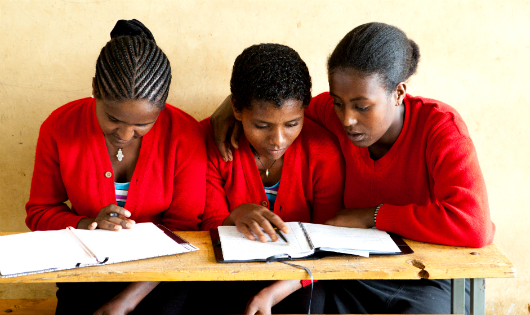
Undergraduate students often enter universities with uneven preparation. Secondary school education in rural areas may not equip students with strong analytical and writing skills, which makes the transition to university harder. A study from Addis Ababa University highlighted gaps in academic writing and research methodology among incoming students — not because they are incapable, but because they haven’t been systematically prepared for university-level thinking.
Graduate Outcomes
Ethiopia’s economy is growing, but university degrees don’t always translate into secure jobs. Employers sometimes say new graduates lack the practical skills needed for the workplace. This is a tough issue facing many developing countries — how to balance theoretical knowledge with skills employers value, such as communication, problem-solving, collaboration, and digital literacy.
Some universities are responding by introducing career development services, short internships, and industry partnerships, but these are still not widespread.
International Recognition — Not Yet Strong, But Emerging
When you look at global university rankings like the U.S. News Best Global Universities, most Ethiopian universities do not yet feature prominently. This isn’t necessarily a fair measure of quality — global rankings often favour research output and international collaborations, which develop over time and require resources.
But there are signs of progress:
- Some universities, like Mekelle University, have begun to gain recognition in research citations.
- Partnerships with foreign institutions (from Europe, Asia, and the U.S.) are slowly increasing.
- Student and faculty exchanges are being explored, helping link Ethiopian campuses with global peers.
The dream of an Ethiopian university ranked among the world’s best is still far off, but the early steps — particularly in research and collaboration — are now visible.
The Digital Imperative — Bridging the Divide
In an increasingly digital world, universities everywhere are investing in technology. Online learning, virtual labs, e-libraries, and cloud-based research tools are no longer optional.
In Ethiopia, digital transformation is underway but uneven:
- Urban universities often have better internet access, smart classrooms, and online learning platforms.
- Rural universities and smaller campuses may still struggle with unreliable electricity and limited connectivity.
The government’s Digital Education Strategy (2023–2028) aims to bridge this gap, promoting blended learning, digital literacy, and expanded ICT infrastructure. Implementation remains a work in progress, but the direction is clear: if Ethiopia’s universities want to compete regionally and globally, digital capacity building is non-negotiable.
Equity Matters — Not Just Access
Higher education is not only about enrolment numbers — it’s also about who gets to benefit. In Ethiopia:
- Students from urban, economically secure families tend to do better academically and socially.
- Women’s university participation has improved, but gender gaps remain in STEM fields (science, technology, engineering, mathematics).
- Regional disparities persist — institutions outside major cities often receive less funding, fewer partnerships, and limited visibility.
Efforts to promote equitable access, gender inclusion, and support for disadvantaged learners are underway, but progress is uneven and slow. Equitable education not only improves social justice — it also strengthens national capacity.
Looking Forward — What Needs to Happen Next
Ethiopia’s success story in higher education is still being written. The foundations have been laid, but the next phase must focus on quality, relevance, and sustainability.
Here are some key priorities:
Invest in Faculty Development
More training, clearer career pathways, global exchange opportunities, and incentives for research will help retain strong academics and build institutional strength.
Strengthen Research Culture
Funding research, partnering with international universities, encouraging publication in indexed journals, and incentivising innovation will help universities move from teaching-only to teacher-scholar models.
Build Industry Connections
Curricula should align with labour market demands. Universities must connect with employers, co-design internship pathways, and build entrepreneurship programmes.
Expand Digital Access
Reliable internet, digital learning platforms, and virtual collaboration tools will make education more flexible and future-ready.
Promote Equity
Scholarships for underrepresented groups, gender inclusion strategies, and regional funding support can help close persistent gaps.
Conclusion — Building a Future Through Higher Education
Ethiopia’s higher education system is at a crossroads. The scale of expansion achieved in two decades is remarkable. But expansion is not the destination — it’s the starting point for deeper transformation.
If universities can evolve beyond access toward real academic engagement, research strength, and social impact, Ethiopia’s young population — one of the largest youth cohorts in Africa — can become a powerhouse of talent and innovation.
The road ahead won’t be easy. But the journey, driven by students, educators, and policymakers together, holds the promise of a future where Ethiopian education does not just grow — it thrives.