
There is going to be a big change in the languages used in Indian schools. Recent news says that the Central Teacher Eligibility Test (CTET) 2026 will probably include the Maithili language as an option. This is something that people in the Maithili-speaking areas of India, especially Bihar’s Mithilanchal area and parts of Jharkhand and Nepal that are close by, have been asking for for a long time.
This shift in policy has made people in the education, language, and aspiring communities very excited. It is not only a policy change, but also a cultural validation. This blog will talk about the history, effects, benefits, and what this move could mean for the future of testing in schools in India.

What is CTET and why is it important?
The Central Board of Secondary Education (CBSE) runs the CTET, or Central Teacher Eligibility Test, which is a national-level test. It checks to see if people are qualified to teach classes I to VIII at central government schools and other schools that accept CTET scores. There are two papers in the exam, one for those who want to teach Classes I–V and the other for people who want to teach Classes VI–VIII. The exam is given twice a year.
The syllabus includes child development and teaching methods, language skills (Language I and II), and knowledge of the subject matter that is appropriate for the level of instruction. There are 150 multiple-choice questions on each exam, and there is no negative grading.
CTET is now available in 20 languages, such as English, Hindi, Bengali, Urdu, Sanskrit, and a number of regional languages. But Maithili has not been officially on this list till recently.
Maithili: A Language with a Long History and Cultural Importance
It’s crucial to know what Maithili is and why it matters before we discuss about its place in CTET.
People in the Mithila region of India and Nepal, mainly in sections of Bihar and Jharkhand in India and Koshi and Madhesh provinces in Nepal, speak Maithili. With about 21.7 million speakers, it is one of the most extensively spoken regional languages in the area.
The Indian Constitution’s Eighth Schedule lists Maithili as one of the 22 official languages, which means it is recognized at the national level.
In the past, it was written in the Tirhuta or Kaithi scripts. When it comes to official and educational writing, Devanagari is the most common script.
Why Inclusion in CTET Is Important News?
This possible inclusion is more than just a matter of administration; it will change things in many ways:
1. Easier for Maithili speakers to use: For decades, people who speak Maithili have had to take the CTET in Hindi, English, or other languages that may not be their first language of teaching or comfort. Reports say that this modification would let applicants take the CTET in Maithili, which would help them understand the questions better and do better on the test.
This can be very helpful for children from rural parts of Bihar and Jharkhand where Maithili is the main language spoken in everyday life and at school. Adding this would make it much easier for many people to learn the language.
2. Language inclusion and cultural preservation: India has a lot of different languages, and include regional languages in national tests conveys a powerful message of respect for linguistic heritage and inclusivity. It makes sure that candidates aren’t at a disadvantage just because of their language skills.
Maithili’s success on the CTET exam supports the premise that regional languages are just as important in school as in the workplace.
3. Getting people from the community to hire teachers: Allowing aspiring teachers to take their qualifying tests in their first language makes it easier for more local people to become teachers. This could lead to improved teacher placement in remote schools, where teachers who know the local language and culture can have a bigger effect.
What the reports say
• BJP MP Gopal Ji Thakur from Darbhanga has said that the process for inclusion is well underway and may soon be officially announced.
• This action meets long-standing requests from the Mithilanchal region, where many people speak Maithili.
• When applicants registered for the CTET, they would choose Maithili as one of their two languages, just like they would choose any other language.
Effect on CTET Candidates
This is how this change could effect people who want to take the CTET:
Easier to Understand and Higher Scores: Candidates that pick Maithili as their first or second language will probably have an easier time understanding questions and instructions, which will help them do better and get higher results.
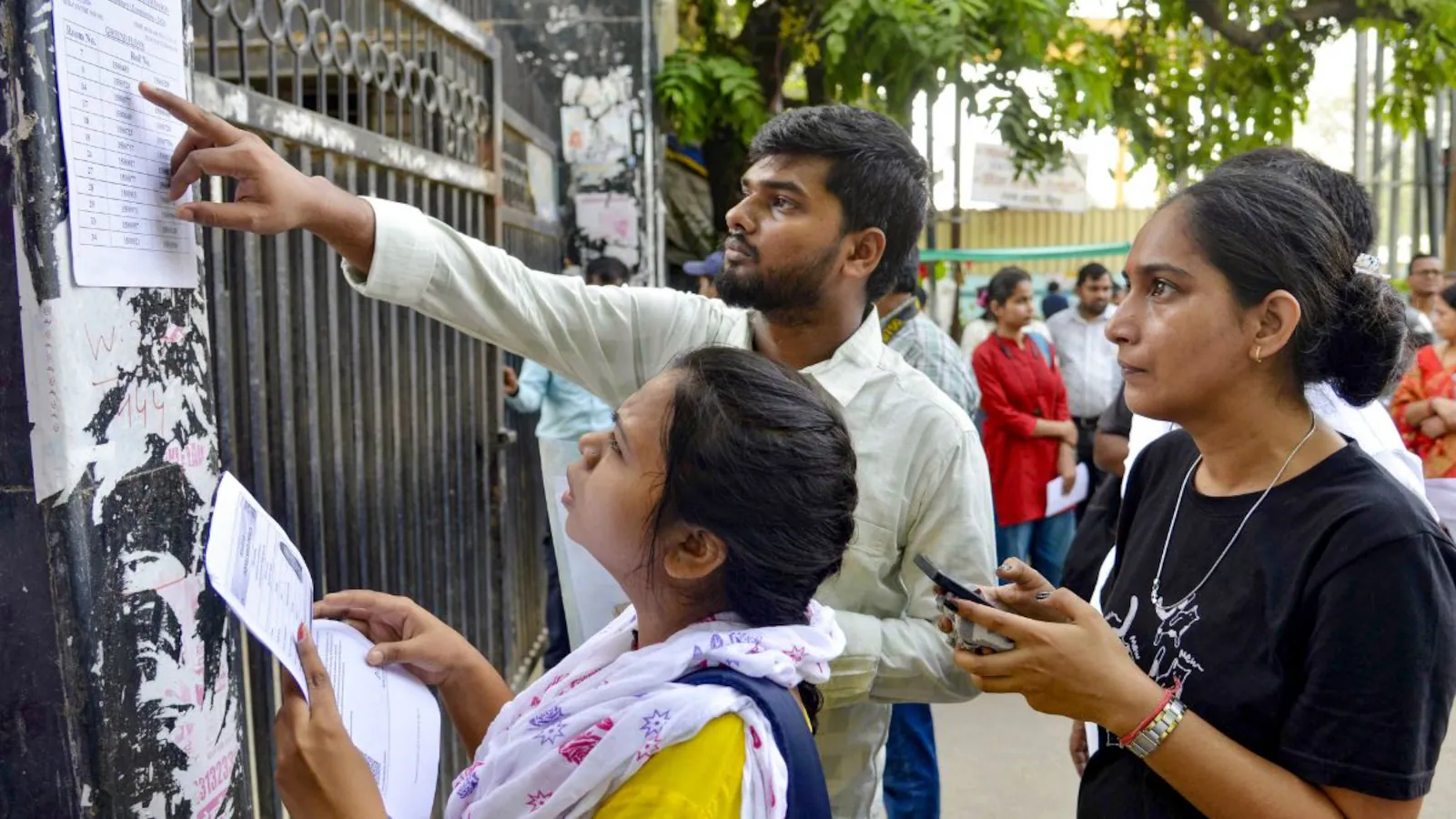
More people are taking part: More students from areas where Maithili is spoken might be more likely to sign up for CTET because the language barrier is lower.
More Diversity Among Teachers: Schools, especially in areas with a lot of Maithili speakers, may benefit from teachers who can teach well in the languages spoken there.
Things to think about and problems
Even though the news is mostly good, there are some practical problems that the authorities will need to deal with:
🔹 Translating Exam Papers CTET will need accurate and high-quality translations of exam papers into Maithili so that the questions are the same as those in other languages.

Standardization of Language
Because regional languages typically have different dialects and variants, the people in charge of the exams will have to choose standard forms to utilize in the question paper. Resources and training for teachers
For CTET candidates who choose Maithili, adding a new language choice also means updating study materials, practice papers, and coaching modules.
What’s Next?
It is said that the idea has been approved at the NCTE level, but a formal notice is still needed. When it comes out, CBSE will formally add Maithili to the CTET syllabus and registration rules.
CTET 2026, which is set for February 8, 2026, will still happen as planned. Candidates can check the official CTET website (ctet.nic.in) for updates on registration and language options.
The Major Takeaway
The idea of adding Maithili to the CTET is a big step forward for language rights in Indian schools. It shows a forward-thinking attitude toward linguistic inclusion by offering millions of speakers who have been waiting for representation in national tests a voice.
This shift could open up new doors for students, teachers, and educators in Maithili-speaking areas, and it could also make the teaching ecosystem stronger. It’s time for candidates to get ready, stay educated, and embrace this exciting change in India’s education system, since official confirmation is on the way.



1 thought on “Maithili Language May be Added to CTET: A Big Deal for Future Teachers”