Introduction
Every year, lakhs of students across India dream of becoming doctors. For many of them, clearing the National Eligibility cum Entrance Test (NEET) is only the first hurdle. The real challenge often lies in securing a seat in a medical college because the demand far exceeds the available seats.
In a significant move aimed at addressing this gap, the Government of India has approved 43 new medical colleges and 11,682 additional MBBS seats for the academic year 2025–26. This information was shared by the Ministry of Health and Family Welfare in the Rajya Sabha, highlighting the government’s continued efforts to expand medical education in the country.
The decision is expected to create more opportunities for aspiring doctors, strengthen healthcare infrastructure, and gradually improve the doctor-to-population ratio in India. For NEET aspirants and medical education stakeholders, this development marks an important milestone in the country’s healthcare journey.
Expansion of Medical Education in India
India’s medical education system has witnessed rapid expansion over the past decade. Earlier, medical education opportunities were limited, with a relatively small number of colleges and seats compared to the country’s large population.
However, in recent years, the government has made a conscious effort to increase the number of medical institutions and expand student intake. According to official data presented in Parliament, the number of medical colleges in India has increased from 387 in 2014 to around 818 today.
This dramatic rise reflects a strategic shift in healthcare planning. By increasing training capacity, the government hopes to ensure that more doctors are available to serve communities across the country, especially in rural and underserved regions.
The addition of 43 new medical colleges in the 2025–26 academic session continues this trend of expansion.
11,682 New MBBS Seats Approved
One of the most significant aspects of the announcement is the approval of 11,682 new undergraduate MBBS seats for the 2025–26 academic year.
For students preparing for NEET-UG, this development is particularly encouraging.
Every year, millions of candidates compete for limited seats in medical colleges. Increasing the number of seats means:
- More opportunities for qualified students
- Reduced pressure during counselling rounds
- Greater accessibility to medical education
Apart from undergraduate seats, the government has also approved 8,967 postgraduate (PG) medical seats, which will benefit doctors seeking specialization in various medical fields.
The expansion of PG seats is equally important because specialist doctors are essential for advanced healthcare services such as surgery, cardiology, neurology, and oncology.
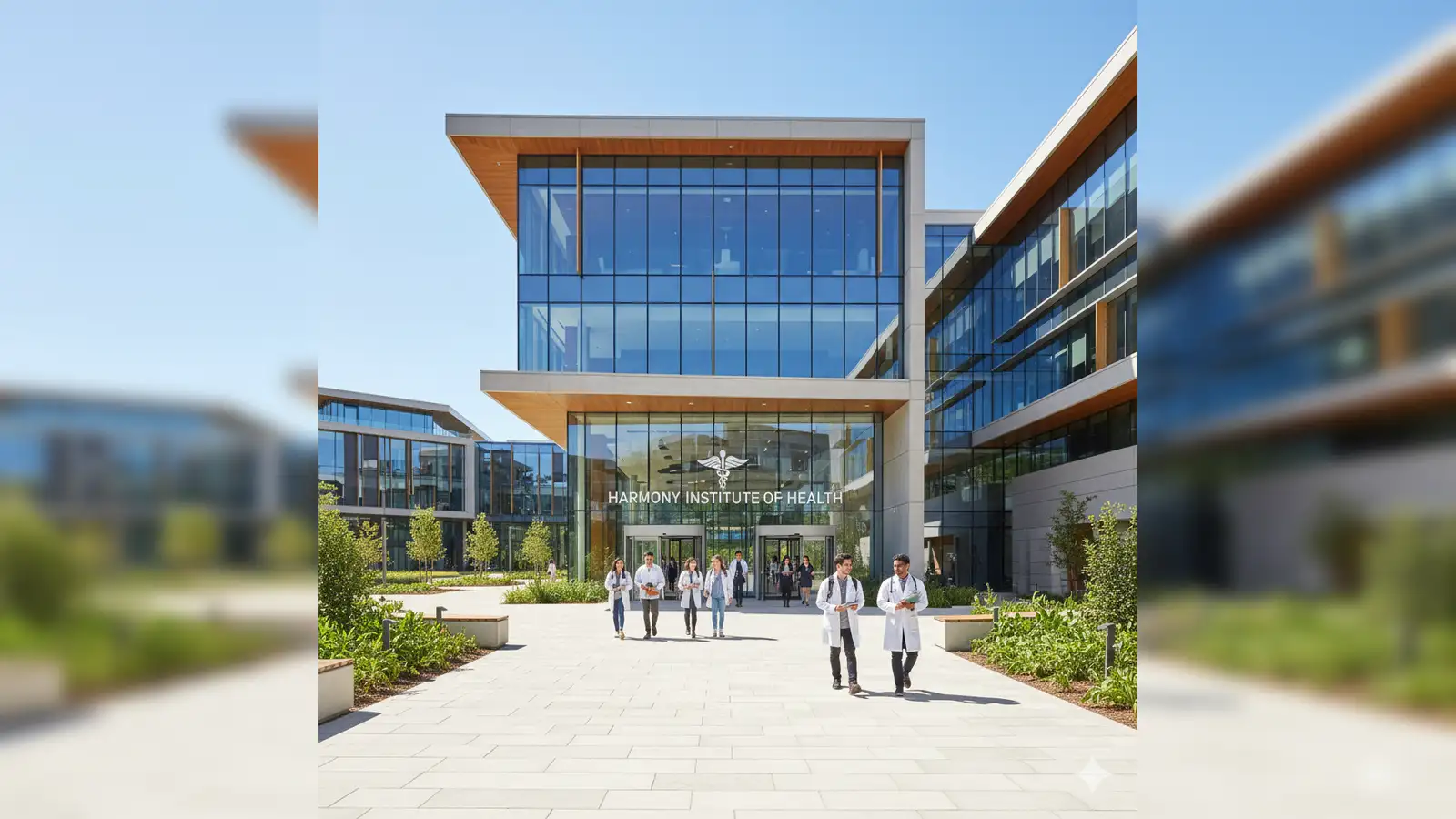
Why India Needs More Medical Colleges
India’s healthcare system serves one of the largest populations in the world. As the population grows and healthcare needs become more complex, the demand for qualified doctors continues to rise.
Several factors explain why increasing the number of medical colleges has become a national priority.
-
Shortage of Doctors
India has historically faced a shortage of doctors compared to global standards. Expanding medical education capacity is one of the most effective ways to bridge this gap.
Increasing the number of trained doctors helps improve healthcare access, especially in rural areas where medical professionals are often scarce.
-
Rising Demand for Healthcare
India’s healthcare sector is expanding rapidly due to:
- Population growth
- Rising life expectancy
- Increased awareness about health and wellness
- Higher demand for specialized treatment
As hospitals and healthcare facilities grow, the need for skilled medical professionals also increases.
-
Improving Doctor-Patient Ratio
The World Health Organization recommends a doctor-to-population ratio of 1:1000. Expanding medical education is a key step toward achieving this benchmark.
By training more doctors each year, India can gradually move closer to meeting global healthcare standards.
Growth of MBBS Seats Over the Years
The increase in medical seats did not happen overnight. It has been part of a long-term expansion strategy.
Over the past few years, India has steadily increased the number of MBBS seats available for students.
For example:
- In 2024, the country had around 1,17,931 MBBS seats.
- By 2025, this number had risen to 1,29,026 seats across more than 820 medical colleges.
This steady growth indicates that the government is actively investing in medical education infrastructure.
Each new seat represents an additional opportunity for a student to pursue a medical career and contribute to the nation’s healthcare system.
Role of the National Medical Commission (NMC)
The expansion of medical colleges and seats is overseen by the National Medical Commission (NMC), the regulatory body responsible for medical education in India.
The NMC evaluates proposals from institutions seeking approval for:
- New medical colleges
- Increase in MBBS intake
- Expansion of postgraduate seats
- Upgrading infrastructure and teaching facilities
Only institutions that meet strict academic and infrastructure standards receive approval.
This process ensures that the quality of medical education remains consistent even as the number of institutions increases.
Impact on NEET Aspirants
For NEET-UG aspirants, the addition of new colleges and seats can significantly influence the admission landscape.
Higher Chances of Admission
With more seats available, the probability of securing a medical college admission improves for many students.
Although competition will still remain intense, the expansion helps reduce the gap between demand and supply.
More Geographic Options
New medical colleges are often established in underserved regions. This allows students from smaller towns and rural areas to access medical education closer to home.
Better Counselling Opportunities
During NEET counselling, additional seats provide:
- More rounds of seat allocation
- More chances for seat upgrades
- Greater flexibility in college selection
Overall, the expansion makes the admission process slightly less restrictive for aspiring doctors.
Strengthening Healthcare Infrastructure
The benefits of new medical colleges go far beyond education.
Every medical college is typically associated with a teaching hospital that provides healthcare services to the local community.
This means the establishment of new institutions also leads to:
- More hospitals
- Better medical facilities
- Increased availability of doctors and specialists
In many regions, especially rural districts, new medical colleges act as catalysts for improving healthcare access.
Patients who previously had to travel long distances for treatment can now receive medical care closer to home.
Government Initiatives Driving Expansion
Several government initiatives have contributed to the rapid expansion of medical education in India.
One of the most notable initiatives is the Pradhan Mantri Swasthya Suraksha Yojana (PMSSY), which focuses on strengthening tertiary healthcare services and establishing institutions similar to AIIMS across the country.
Under such programmes, multiple new institutions and hospitals have been approved to expand healthcare and training capacity.
These initiatives are part of a broader strategy to modernize India’s healthcare system and improve access to quality medical services.
Challenges That Still Remain
Despite the progress, several challenges remain in India’s medical education system.
High Competition
Even with increased seats, competition remains extremely high.
Millions of students appear for NEET each year, and the number of applicants continues to grow.
Infrastructure and Faculty
Establishing a medical college requires:
- Modern laboratories
- Hospitals with sufficient beds
- Qualified faculty members
Maintaining these standards across hundreds of institutions is a continuous challenge.
Quality of Education
Rapid expansion must be balanced with quality assurance.
Regulatory bodies must ensure that new colleges maintain strong academic standards so that graduating doctors are well trained.
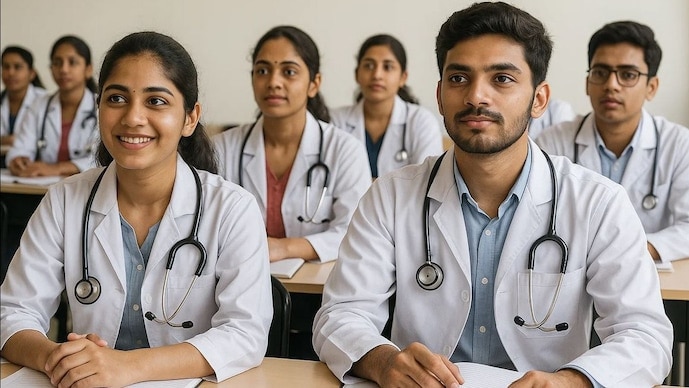
The Future of Medical Education in India
The addition of 43 new medical colleges and thousands of seats signals a positive direction for India’s medical education system.
Experts believe that the expansion will continue in the coming years as the country works to strengthen healthcare services and meet growing medical needs.
Future developments may include:
- More government medical colleges in underserved districts
- Increased PG and super-speciality seats
- Improved digital and simulation-based medical training
- Greater collaboration between hospitals and academic institutions
As the healthcare sector evolves, medical education will also adapt to meet emerging challenges.
What This Means for Students
For students aspiring to become doctors, this expansion brings a message of hope.
While hard work and dedication remain essential, the growing number of medical colleges means that opportunities are gradually increasing.
Students preparing for NEET should continue focusing on:
- Strong conceptual understanding of science subjects
- Consistent practice and revision
- Effective time management
- Staying updated about counselling processes
With determination and the expanding medical education system, many more students will be able to turn their dream of becoming doctors into reality.
Conclusion
The approval of 43 new medical colleges and 11,682 MBBS seats for the 2025–26 academic year represents a major step forward in India’s healthcare and education landscape.
This expansion will not only create more opportunities for NEET aspirants but also strengthen the country’s healthcare infrastructure by training more doctors.
Over the past decade, India has significantly increased the number of medical colleges and seats, demonstrating a clear commitment to improving healthcare access and medical education.
Although challenges remain, the steady growth of medical institutions offers hope for a future where quality healthcare is available to every citizen.
For aspiring doctors, the message is simple: the path may still be competitive, but the doors to medical education are opening wider than ever before.